
 English
 لالعربية
 Español
 Русский
 Português
 Français
 Deutsch
 Türkçe
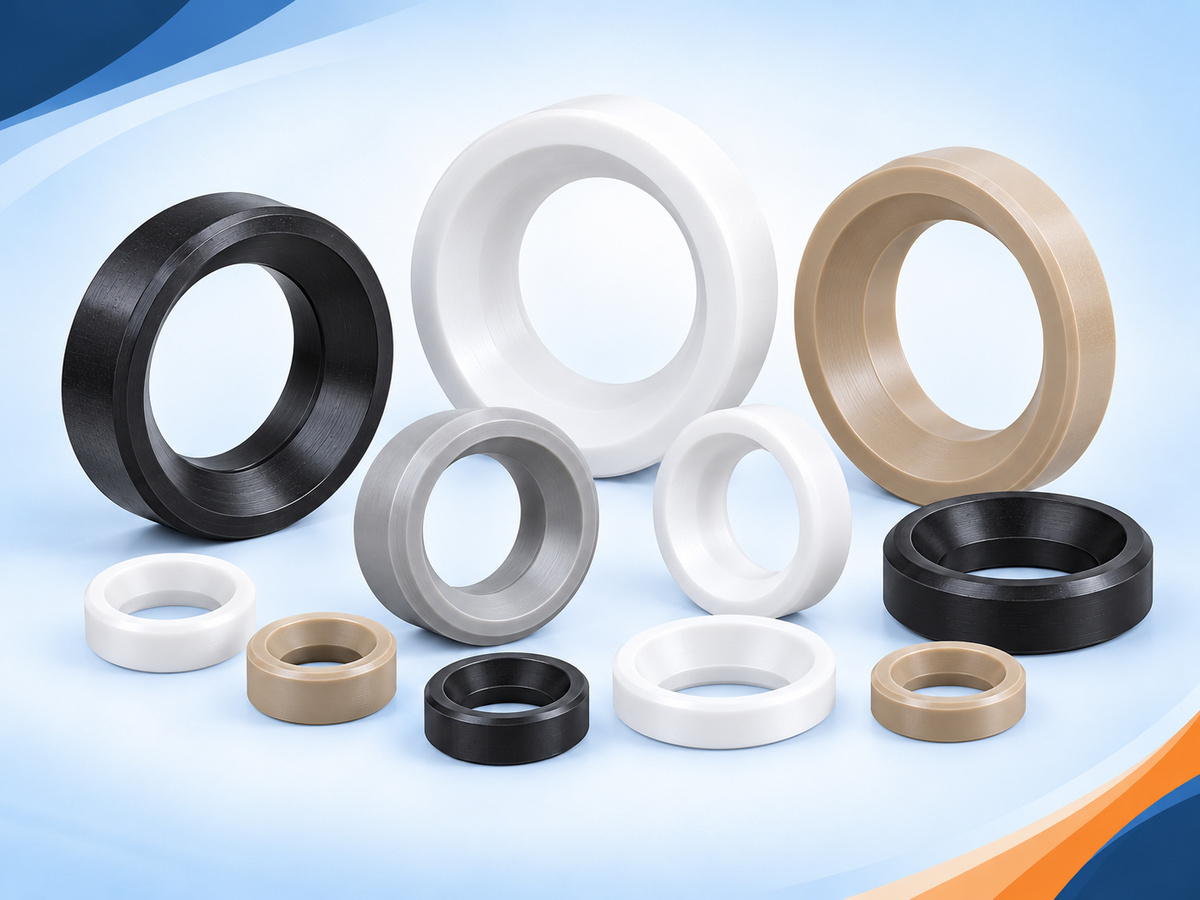
Valve Seat Seals
Valve seat seals in PTFE, reinforced PTFE, PEEK, NBR, EPDM and FKM. Custom sealing rings for ball valves, butterfly valves and industrial fluid control.
- Custom sizes, materials and profiles available
- Reliable sealing performance under demanding conditions
- Export-ready packing and documents
1. General Specifications
| Parameter | Specification |
|---|---|
| Product Name | Valve Seat Seals |
| Product Type | Soft Valve Seat / Valve Sealing Ring |
| Sealing Function | Valve Shut-Off / Internal Leakage Control |
| Material Options | PTFE / Reinforced PTFE / PEEK / NBR / EPDM / FKM |
| Seal Construction | Machined Polymer Ring / Molded Elastomeric Seat |
| Reference Temperature (PTFE) | Up to +260°C (Material Limit) |
| Reference Temperature (PEEK) | Up to +250°C (Selected Grades) |
| Reference Temperature (NBR) | -30°C to +100°C |
| Reference Temperature (EPDM) | -40°C to +150°C (Selected Grades) |
| Reference Temperature (FKM) | -20°C to +200°C (Selected Grades) |
| Pressure Rating | According to Valve Design / Material / Temperature |
| Sealing Arrangement | Unidirectional / Bidirectional Options |
| Available Sizes | Standard and Custom Valve Seat Dimensions |
| Dimensions | Inside Diameter × Outside Diameter × Profile Dimensions |
| Applications | Ball Valves / Butterfly Valves / Industrial Process Valves |
| Customization | Material / Dimensions / Seat Geometry |
| MOQ | Flexible |
2. Material Options
| Material | Main Characteristics | Typical Applications |
|---|---|---|
| Virgin PTFE | Low friction and broad chemical resistance; deformation under load must be considered | Chemical Ball Valves / General Process Equipment |
| Reinforced PTFE | Improved mechanical strength and resistance to deformation depending on filler | Industrial Ball Valves / Higher-Load Applications |
| PEEK | High mechanical strength, good dimensional stability and elevated-temperature capability | High-Pressure / Demanding Process Valves |
| NBR | Good oil resistance and flexible sealing performance | Oil-Compatible Valve Applications |
| EPDM | Good water, ozone and weather resistance | Water Treatment / Butterfly Valves |
| FKM | Good resistance to many oils, fuels and chemicals at elevated temperatures | Chemical / Industrial Process Valves |
3. Valve Seat Design Options
| Seat Design | Main Characteristics | Typical Applications |
|---|---|---|
| PTFE Ball Valve Seat | Low-friction polymer sealing ring | Standard Ball Valves |
| Reinforced PTFE Seat | Filled PTFE construction with improved mechanical properties | Industrial / Process Ball Valves |
| PEEK Valve Seat | High-strength engineering polymer sealing element | High-Load / Specialized Valves |
| Elastomeric Seat | Flexible rubber sealing contact | Butterfly Valves / Water Systems |
| Custom Machined Seat | Non-standard polymer seat manufactured from drawings | OEM / Valve Replacement |
Valve Seat Seals are designed to provide shut-off sealing between a valve closure element and its mating seat. These components help prevent internal leakage when a valve is in the closed position and are essential for reliable fluid control in industrial piping and process systems.
Valve seat seals are commonly used in ball valves, butterfly valves and other industrial valve assemblies handling water, oils, gases and chemical media.
Depending on the valve design, seat sealing elements may be manufactured from elastomers, PTFE-based materials or engineered thermoplastics.
Features & Advantages
Reliable Shut-Off Sealing: Helps reduce fluid or gas leakage across closed valve surfaces.
Multiple Material Options: Available in PTFE, reinforced PTFE, PEEK, NBR, EPDM and FKM.
Chemical Resistance: PTFE and suitable engineered polymers provide resistance to many industrial process fluids.
Wear-Resistant Designs: Reinforced PTFE and PEEK offer improved mechanical performance in selected valve applications.
Soft-Seated Valve Applications: Elastomeric and polymer seat materials provide conformable sealing contact.
Custom Seat Profiles: Different dimensions and sealing geometries can be manufactured according to valve specifications.
Materials & Construction
PTFE valve seat seals are widely used in industrial ball valves due to their low friction and broad chemical resistance.
Reinforced PTFE compounds incorporate fillers to improve mechanical strength, deformation resistance and wear characteristics.
PEEK offers high mechanical strength and improved dimensional stability under elevated temperatures and loads, making it suitable for selected demanding valve applications.
NBR, EPDM and FKM elastomers are also used in valve seat sealing systems, particularly where flexible sealing contact is required.
The correct material depends on the process medium, valve pressure class, operating temperature, closure movement and valve seat geometry.
Valve Seat Design Options
PTFE Ball Valve Seats
Used in soft-seated ball valves to provide sealing contact between the ball and valve seat.
Reinforced PTFE Seats
Selected for applications requiring improved deformation resistance and mechanical stability.
PEEK Valve Seats
Used in selected high-load or elevated-temperature valve applications where conventional PTFE may not provide sufficient mechanical strength.
Elastomeric Valve Seats
Commonly used in butterfly valves and other suitable fluid control valves where resilient sealing contact is required.
Typical Applications
Industrial ball valves
Butterfly valves
Chemical processing valves
Water treatment systems
Oil and gas processing equipment
Industrial fluid distribution
Pneumatic and process control systems
Valve maintenance and replacement
Standard & Custom Supply
CORA SEALS supplies valve seat seals in various materials, sizes and sealing profiles for valve manufacturers, industrial distributors and aftermarket replacement applications.
Standard and custom seat designs can be sourced according to valve drawings, existing samples or technical specifications.
For quotations, please provide the valve type, nominal size, seat dimensions, material and required quantity.
Working pressure, operating temperature, process medium and applicable leakage requirements should also be specified to help confirm the appropriate seat material and design.
Send your sealing requirements for a firm quotation.
We review product specifications, material options, pricing and lead times as soon as possible.
Related seals
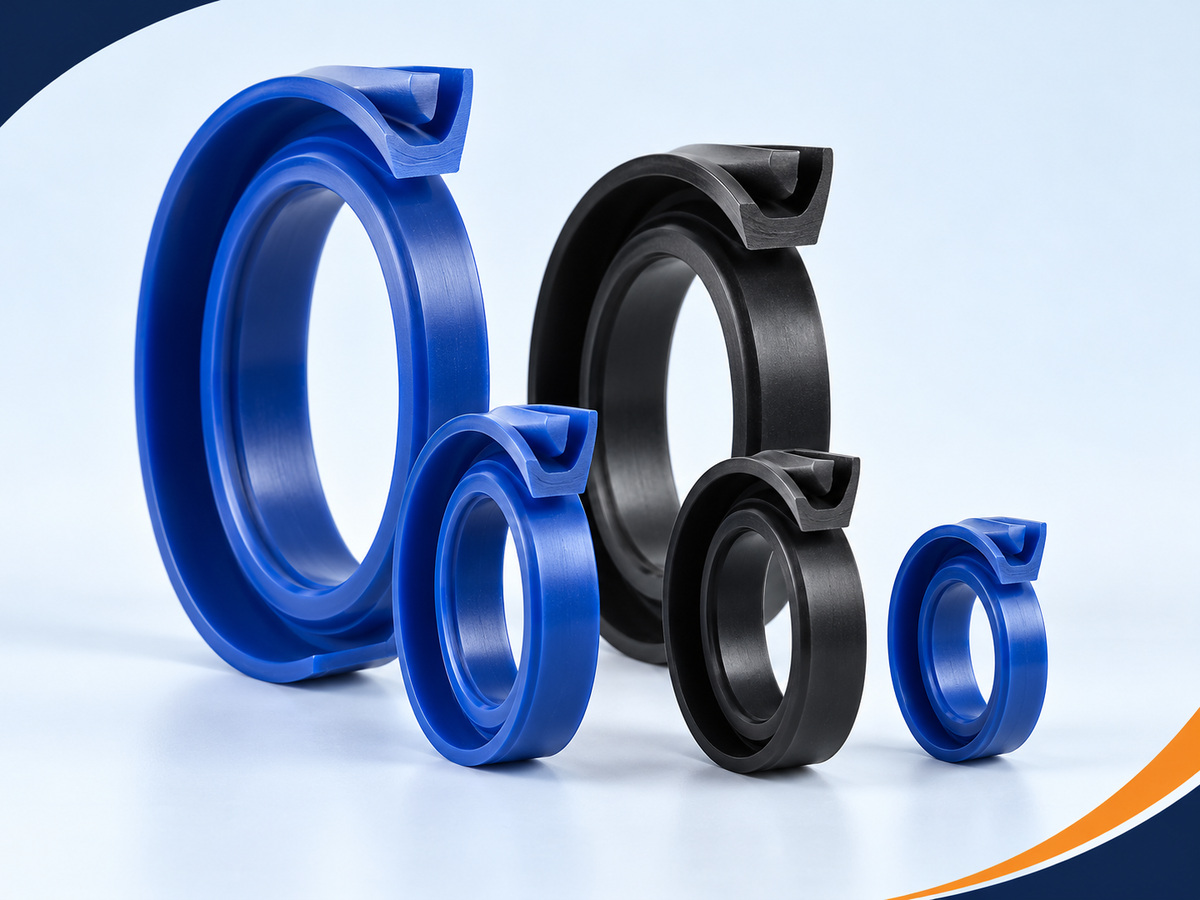 Hydraulic Rod Seals (U-Cups)
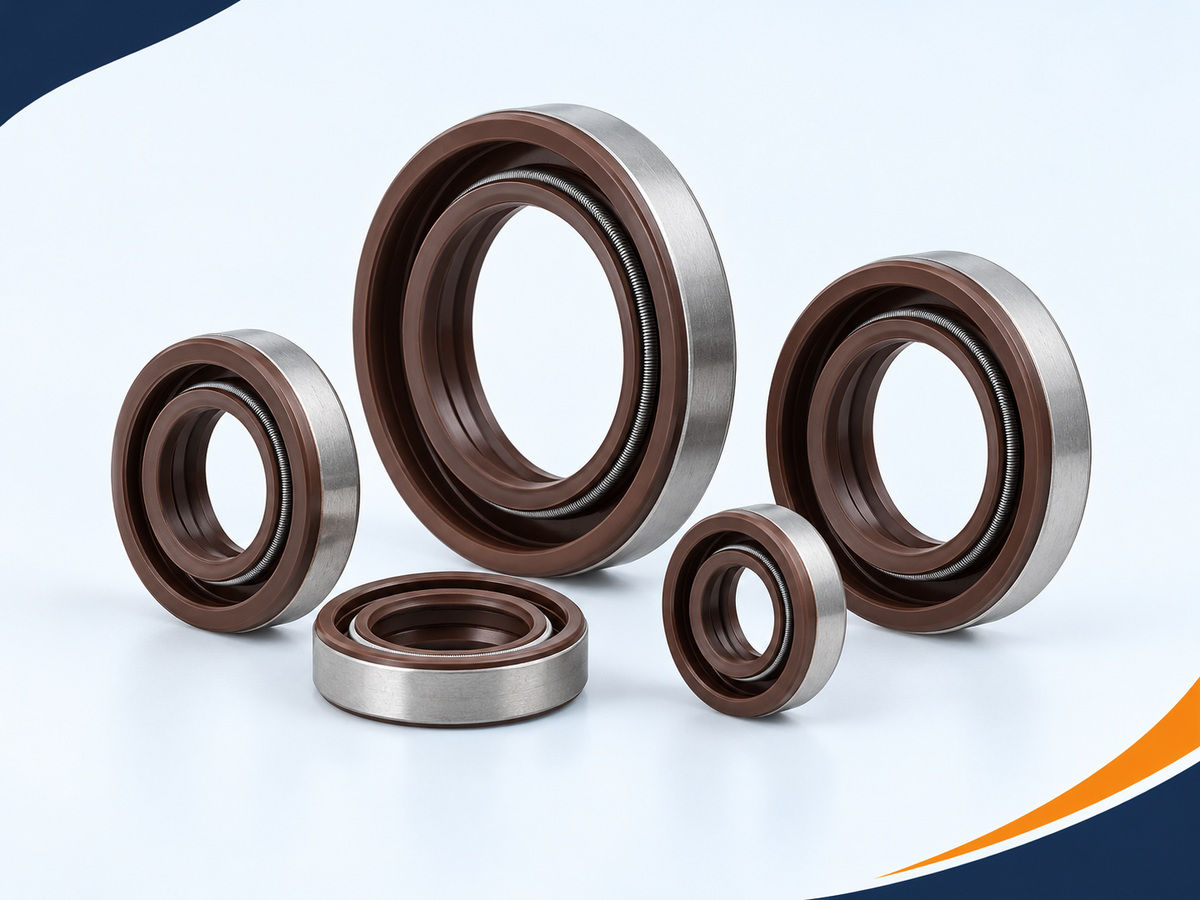 FKM High-Temperature Rotary Shaft Oil Seals
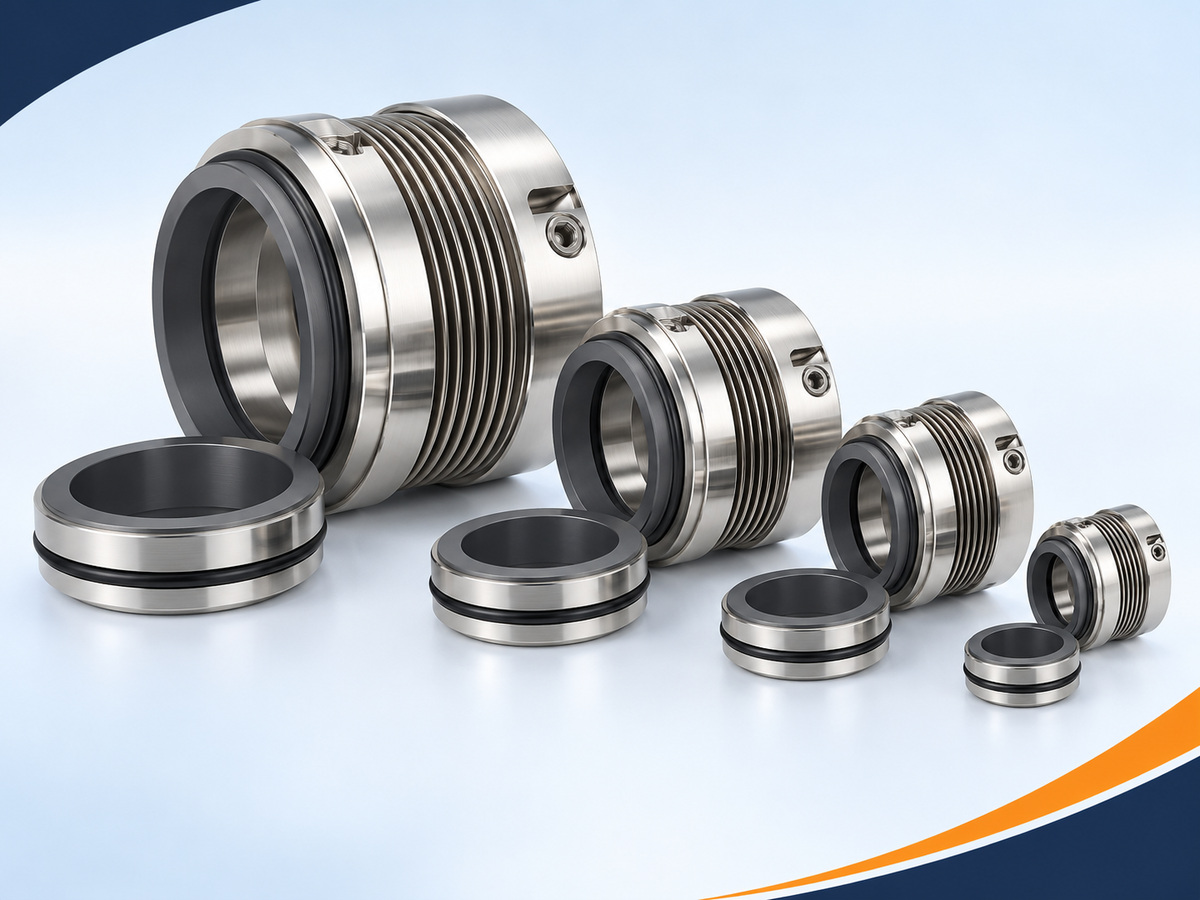 Metal Bellows Mechanical Seal
 Alfa Laval P36 Replacement Plate Heat Exchanger Gasket